

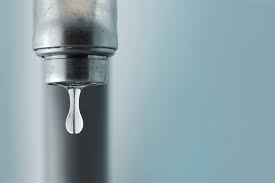
Low water pressure is one of the most common plumbing issues in Vancouver homes, especially in older neighborhoods such as North Vancouver, Burnaby, and Coquitlam. Many homes experience weak flow from faucets, showerheads, and appliances due to aging plumbing systems, mineral buildup, or a failing pressure‑reducing valve (PRV). Although low pressure is often frustrating, it is usually a treatable problem once the underlying cause is identified.
One of the most frequent reasons for low water pressure is a faulty PRV. The pressure‑reducing valve is responsible for controlling and stabilizing the incoming water pressure from the city supply. When the PRV becomes worn, clogged with debris, or improperly adjusted, the pressure inside the home can suddenly drop or fluctuate. In some cases, the PRV restricts flow so severely that faucets and showers produce only a weak, inconsistent stream of water.
Another major cause is mineral buildup inside older copper or galvanized pipes. Over time, minerals such as calcium and sediment collect inside the plumbing system and gradually reduce the internal diameter of the pipes. Even if the water pressure entering the home is strong, the restricted pipe size prevents water from flowing properly, resulting in low pressure throughout the house. This issue is extremely common in homes built 30 to 50 years ago.
Clogged aerators, faucet cartridges, and showerheads are also common contributors. When small screens or internal components become blocked by debris or sediment, water flow drops significantly. In these cases, the problem may appear isolated to one fixture, such as a sink or shower, but the cause is often simple and inexpensive to fix.
Problems with the main water line can also lead to low water pressure. A partially closed main shut‑off valve, a leaking or collapsed main line, or a section of pipe with a dip (known as a belly) can all restrict flow. Homes with older piping systems or previous ground movement may experience these issues without realizing it.
Tankless water heaters can also cause low pressure when their internal filters become clogged or when the flow sensor is not operating correctly. In traditional hot water tanks, heavy sediment buildup inside the tank or blockages in the dip tube can reduce hot water flow.
In homes where the pressure drops only when multiple fixtures are used simultaneously, the cause may be limited pipe capacity or an undersized plumbing layout. In some cases, replacing older 1/2‑inch lines with 3/4‑inch supply lines can dramatically improve system performance.
Occasionally, the issue originates outside the home. Municipal water supply fluctuations or maintenance work in the area can temporarily reduce pressure. However, if the problem is consistent, the source is usually within the home’s plumbing system.
The solution depends on the cause. Replacing a faulty PRV often restores proper pressure immediately. Cleaning aerators and showerheads or replacing clogged faucet cartridges can quickly improve flow. Repairing or replacing a damaged main line can also resolve chronic low‑pressure issues. In older homes, upgrading outdated piping is sometimes the most effective long‑term fix.
Evercore Plumbing provides professional diagnosis and repair for low water pressure issues across Vancouver, North Vancouver, Burnaby, Coquitlam, and West Vancouver. Our technicians identify the exact cause and recommend the most cost‑effective solution to restore strong, consistent water pressure throughout your home.
CALL TO ACTION (CTA):
If your home has low water pressure or inconsistent flow, Evercore Plumbing can diagnose and fix the issue quickly. We offer same‑day service across Vancouver and nearby areas.
📞 Call Evercore Plumbing Today: (604) XXX‑XXXX
🛠 PRV Replacement • Main Line Repair • Pipe Upgrades • Fixture Servicing
META TITLE:
Low Water Pressure in the House – Causes & Fixes | Evercore Plumbing Vancouver